Why Casino Games Still Borrow So Much From Live Poker Rooms
Walk into a busy poker room, and you feel a very specific atmosphere. Chips riffling, dealers shuffling, and players watching one another across the table while tournament clocks glow somewhere in the background.
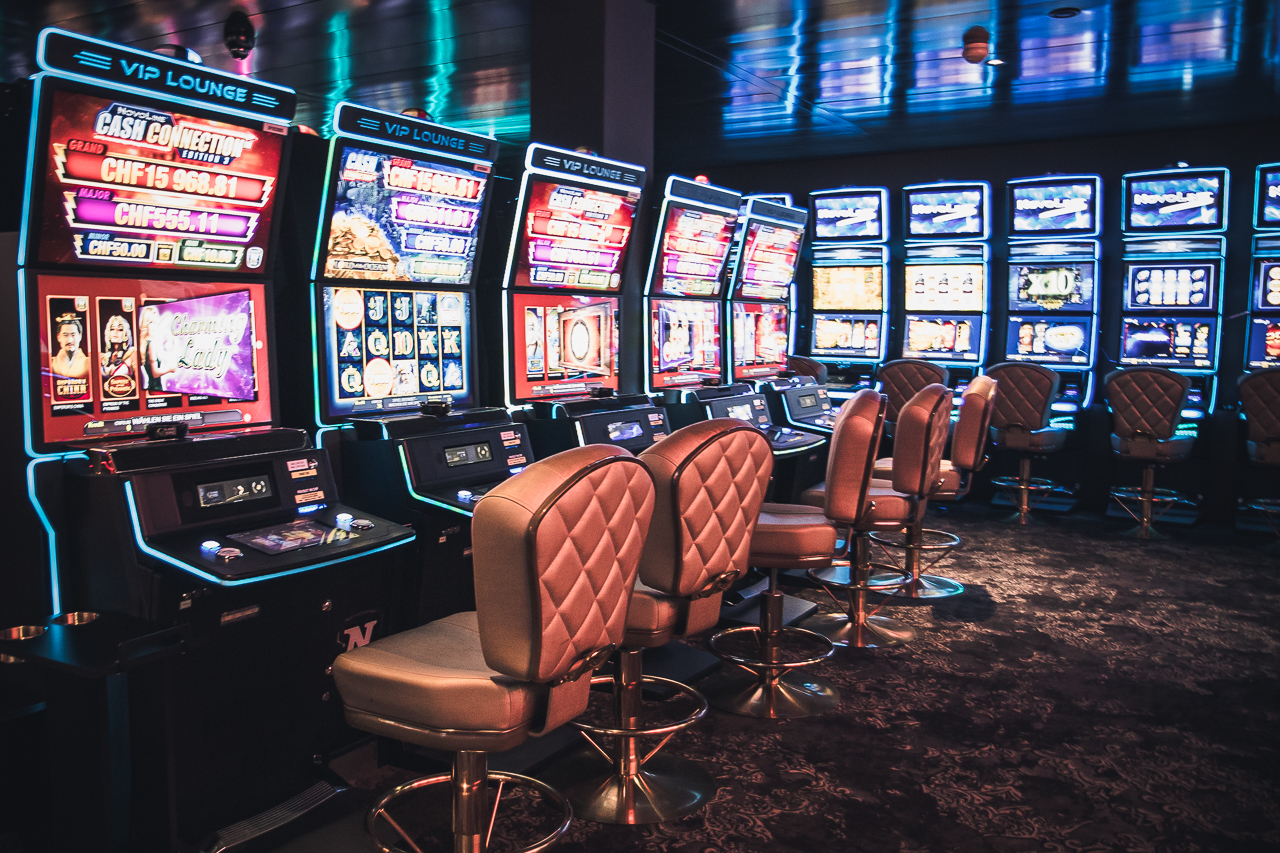
That physical environment has influenced casino entertainment far beyond poker itself. Many social casino games use familiar visual cues from real casino floors, even when the game being played has little in common with a poker tournament. Felt textures, metallic trim, card-table layouts and dramatic lighting all help create a setting players recognize almost immediately.
Some of those choices are obvious. Others are surprisingly subtle.
The Casino Floor Has Its Own Visual Language
Most people could recognize a casino setting without seeing a single logo.
Certain colours, materials and objects do much of the work. Green or dark felt suggests a table game. Chips immediately introduce a casino connection. Gold details can make an interface feel more theatrical. Cards, dice and illuminated signs reinforce the theme.
Designers use these elements because they already carry meaning for the audience.
There is no need to explain why chips matter at a poker table. People understand them. That familiarity can carry over into digital games, where a player might have only a thumbnail and a title to decide what to open.
The challenge is using recognizable imagery without making every game look identical.
Poker Rooms Are Usually More Restrained Than People Remember
Casino imagery in movies tends to be exaggerated.
Everything glows. Champagne appears everywhere. Someone is always pushing a huge pile of chips into the middle.
Real poker rooms are often much more practical.
Tables need clear sightlines. Players need enough space for cards and stacks. Dealers need to move efficiently. Tournament staff need to communicate information without creating confusion.
That practicality shapes the design.
The Table Creates A Natural Center Of Attention
Poker design benefits from a clear focal point.
Most of the meaningful action happens in the center of the table. Cards are dealt there. Pots form there. Players naturally direct their attention toward it.
Digital casino games often create a similar visual center.
The main reels, cards or game board usually dominate the screen, while controls sit around the edges. When that hierarchy works, players know where to look without consciously thinking about it.
Problems appear when too many elements compete for attention.
A promotional message, animation, meter and control panel can all be useful independently. Put them on screen at the same time, and the game may suddenly feel harder to read.
Poker tables demonstrate how effective a strong visual hierarchy can be.
Tournament Rooms Show Why Information Hierarchy Matters
Large poker tournaments generate a lot of information.
Players want to know the blind level, how much time remains, how many entrants are left and where the event currently stands. Organizers cannot present every detail with equal prominence.
The most important information gets the most visible space.
Digital games face a comparable problem on a smaller screen.
A player may need to see a balance, game controls and key information about the current round. Other details can remain available without occupying the center of the display.
Getting that hierarchy wrong makes a simple experience feel complicated.
Getting it right often goes unnoticed.
That is usually a sign of good design.
Sound Creates More Of The Atmosphere Than Graphics Alone
A poker room is only quiet when it is empty.
Chips. Cards. Dealers. Chairs. Players. Hosts. Servers and staff. All ingredients of the ambience of live poker.
None of those sounds is particularly dramatic on its own. Together, they create a place.
Digital games use sound for the same reason. A button click provides confirmation. A brief musical change can signal that something different has happened. Background audio establishes mood without requiring another visual element on screen.
The difficult part is restraint.
A sound that feels satisfying once can become irritating when repeated every few seconds. Designers have to think about frequency as much as the sound itself.
Poker rooms are useful examples because much of their atmosphere comes from layers of small sounds rather than one constant soundtrack.
Live Casino Design Is Built Around Observation
Poker players spend a lot of time watching.
They watch opponents. They watch the dealer. They follow the board and glance at stack sizes. During tournaments, they also track nearby tables as the field gets smaller.
That habit of observation shapes the physical environment. Important actions need to remain visible. Cards must be placed consistently. Chips need to stay organized enough that stacks can be estimated.
Digital interfaces also depend on visual consistency.
If a control moves to a different location every time something happens, players have to keep searching for it. If similar symbols behave differently without explanation, the interface becomes harder to learn.
Consistency does not make a design boring. It gives the player a stable foundation.
The personality can happen elsewhere.
Why Physical Casino Design Keeps Surviving Online
Digital entertainment could theoretically abandon most physical casino imagery.
There is no technical reason for a virtual table to look like felt. Digital chips do not need to resemble physical ones. A card game could display information in almost any format.
Yet familiar casino visuals continue to appear.
Part of the reason is cultural. Players already understand them.
Another part is practical. Many physical casino conventions developed because they make information easier to organize. A clear table, visible stacks and recognizable objects solve real usability problems.
Digital designers can reinterpret those ideas without copying a casino floor exactly.
That is why the connection between live poker rooms and modern casino interfaces remains easy to spot. The technology has changed considerably.
Many of the visual instincts have not.