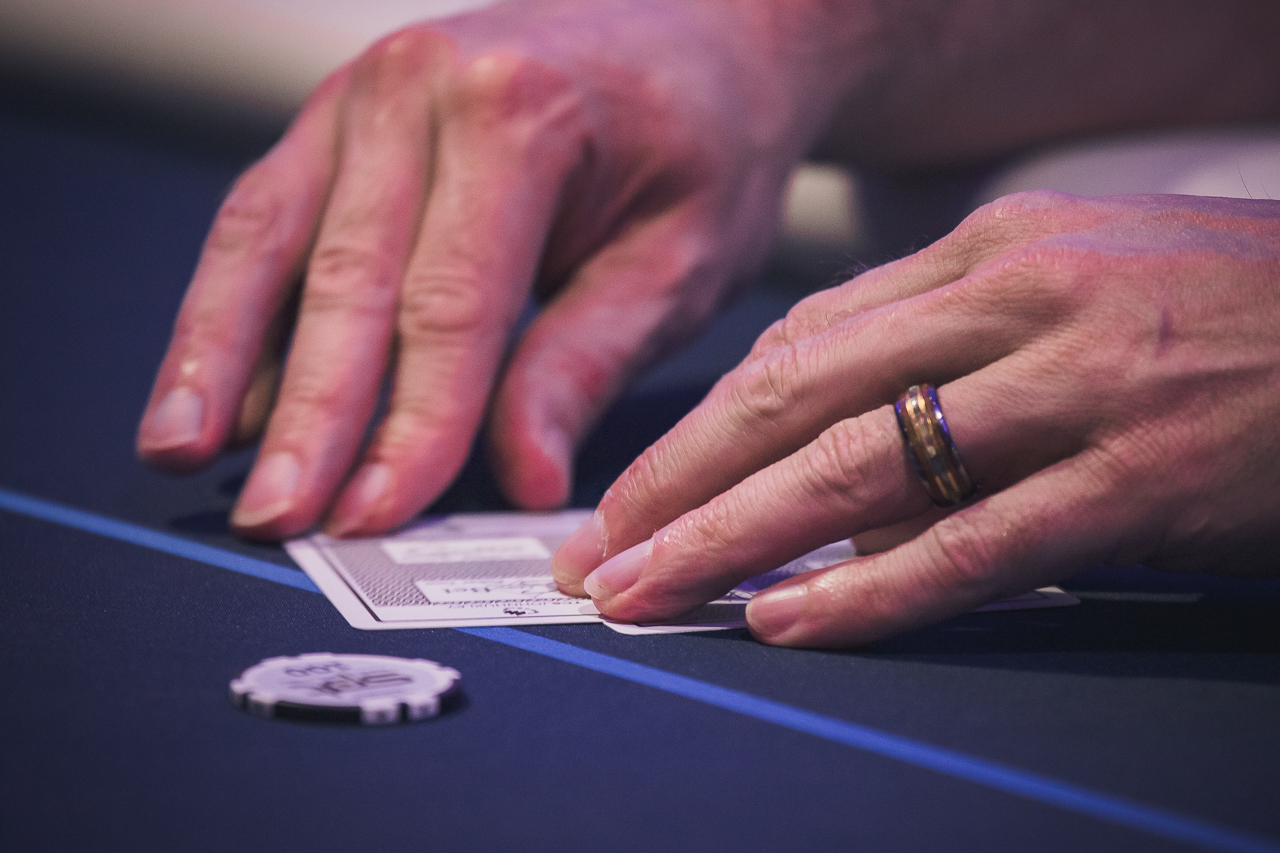
Applying the Poker Mindset to Everyday Decisions
Poker is a game that brings together skill, chance, and psychology, but what makes it such a great teacher of self-control and strategy? The incomplete information. There’s no predicting the following card, and you can’t see your opponents’ hands, yet every choice influences what happens next. Whether you choose to check, fold, bet, or raise, players are forced to interpret patterns, anticipate others’ behaviour, and weigh the odds—all while keeping their emotions grounded. Throughout the game, the constant balancing act makes poker a real training ground for decision-making.
Players are constantly learning to improve, noticing patterns and resisting their natural impulses—mirroring how many of us balance instinct and reason in other real-life contexts. Instead of memorizing rules or perfecting a strategy that can be applied across the board, you need to develop patience, awareness, and adaptability to sharpen your judgment. Over time, you hone a mindset that prioritizes observation and analysis over reaction.
Awareness as a Competitive Advantage
The most renowned poker players in the world are those who are aware of their cards but also of everything else happening around the table. Daniel Negreanu is famous for talking through opponents’ possible thought processes in real time, building a story about how a certain hand is being played. Similarly, Phil Ivey focuses on picking up subtle deviations in timing and behaviour patterns over long sessions.
Especially because you won’t always get the best hand, success leans more on other factors. Timing can make the difference between seizing an opportunity and missing it entirely, while table dynamics, such as player interaction, can offer big clues about the state of the game. Even the smallest cues, like twitches and hesitation, can reveal information about intentions or confidence.
Players who learn the game’s psychological signals can often make smarter decisions and gain an edge, even if they don’t have a winning set. When anyone makes decisions at the table without this awareness, it often costs them. Because poker requires players to pay close attention to context, it becomes a test of judgment under uncertainty. Every choice involves weighing short-term and long-term consequences, evaluating incomplete information, and anticipating others’ actions. Poker players who train themselves to process and act deliberately often develop better decision-making skills at and away from the table.
How Rules Shape Behaviour
The rules of poker steer decision-making much more than people expect. Any minor changes to the table format, betting limits, or structure can completely alter how players approach a decision. They can influence anything from risk-taking to even aggression, which means strategy is never made in isolation. Poker’s constraints are constant, which means strategy is always responding to them.
A player might become more cautious in a tight game where risks are punished quickly or play more aggressively in a loose game where fellow players are willing to take their chances. There’s rarely a fixed and correct move, because the environment can reward or discourage certain behaviours and decisions. We can see this concept in traditional gaming settings, where rule variations change how players approach the same objective, as well as in the iGaming sphere, in how bonus conditions affect gameplay. When there are extra requirements, players will adjust their decisions to work within those boundaries.
Poker is particularly useful as a point of comparison. It’s a prime example of how better decisions aren’t all about spotting the right move on its own, but rather about understanding how the surrounding structure influences what “right” even means.
Why Good Decisions Need Structure
Let’s look into that concept further. Even if the limits aren’t immediately obvious, every decision sits inside a set of limits. Poker features factors like stack size and position at the table, where a play that looks strong in isolation can become risky or pointless once those constraints are taken into account. A late position can open up possibilities that an early position doesn’t. Meanwhile, short stacks can change the value of aggression. Even though others perceive that your style can influence how they respond to your decisions.
None of these elements changes the cards themselves, but they do change how they can inherently be used. In that case, strategy is more about looking at what the situation lets you do effectively.
Learning to Read the Situation
Most people start out thinking of poker in much simpler terms of rules and probabilities. However, poker trains a set of softer skills that matter just as much. The strongest players will observe how others behave, stay composed under pressure, and adapt to how patterns evolve over time. That attention needs to be consistent, as those shifting incentives and context are things that players tend to discover over time. Experienced players assume that others are also using those psychological tricks, so they learn to manage themselves to avoid becoming predictable or exploitable.
What makes these skills valuable outside of poker is that they apply to many situations where context is important. For example, in business, success comes from noticing how customers, competitors, or markets are moving before making a decision. Changes in pricing, product launches, or strategic pivots don’t succeed in isolation, but rather based on whether the timing fits the surrounding environment. People who consistently make better calls are those who pay attention to signals and patterns that others miss.
Similarly, effective marketing and advertising content requires an understanding of what audiences respond to most strongly. Is it a certain topic, format, or tone? The best creators adjust once they understand what resonates. Being an effective creator isn’t about producing more—it’s about noticing trends and refining approaches based on real feedback.
Where Poker Principles Apply in Real Life
If we hone in on everyday decisions, a willingness to understand and heighten awareness is just as useful. Rarely do people make good decisions by rushing into choices or ignoring the fine print. No matter what the decision concerns, learning the constraints and taking a pause before committing is often the best way to go.
Anything from financial decisions to deciding how to respond to unexpected changes all requires the same principles: slowing down to see the full picture, paying attention to context, and avoiding acting purely on instinct. Poker isn’t the ultimate model for how we should make all decisions, but it does reinforce a set of good habits that carry over into other areas of life. It also normalizes uncertainty, as we rarely get complete information before making a decision. The game encourages a steady, observant approach, in which clear, grounded thinking is rewarded.
Poker as a Model for Real-World Thinking
Although poker is considered a form of gambling, it’s a lot less about luck than it is about discipline. While chance still plays a role in any outcome, players who consistently perform well focus intently on the process. They learn to read the room, understand the structure, and make decisions based on the information available to them—no matter how many holes there are. As players practice more often, the approach eventually becomes a habit. Wins and losses will still happen, no matter how skilled the person is, but that ratio becomes less important than the quality of decisions.
Poker is the perfect metaphor for thinking clearly. The gap between what you know and what you need to decide is where judgment truly gets tested. It makes the structure of decision-making visible in a way many real-life situations don’t. Good decisions can still lead to bad results, and poor decisions can sometimes work out by chance. Strip away the cards, and you’ll see that poker is really about learning how to think when you don’t have all the answers.