What the Best Poker Players Do When They’re Not in the Hand
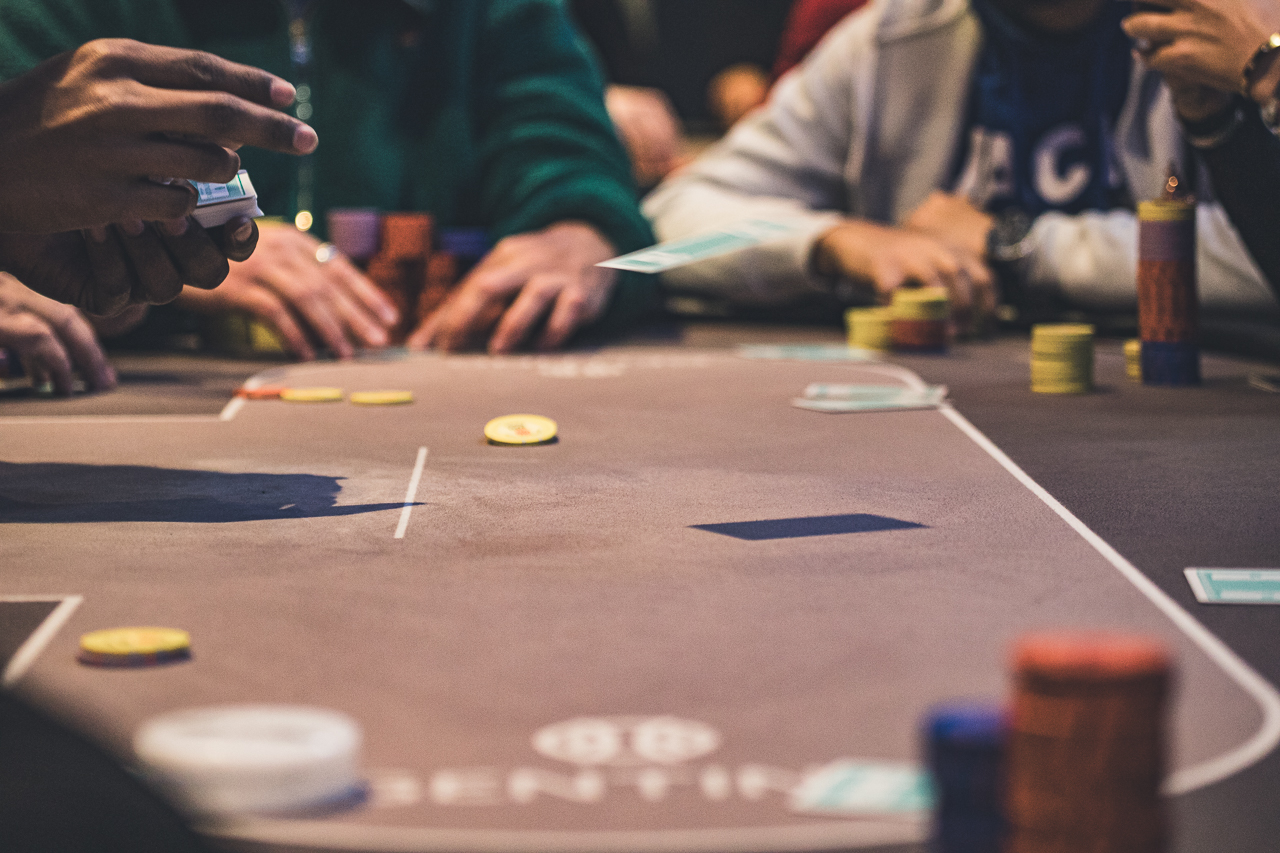
The thing that separates amateurs from professionals around the poker table isn’t what they do when the cards are in their hands. It’s what they do when their hand is over. Once a player has folded out of the hand, an amateur will reach for their phone or switch off until it’s time to go again. For professionals, this is where the real work begins.
Professional players use their downtime to sit back and watch what happens around them. Observation is the real separator around the poker table, and the time in between hands is when players can really sharpen their edge and learn everything they need to know about their opponents.
The Patterns Hiding in Plain Sight
Most poker players believe they’re paying attention to what is going on, but this is often not really the case. While they might watch their opponents and look for a “tell” in their hands, a single hand will not reveal anything. Players need to watch their opponents for 30 or 40 hands before they can start identifying patterns that help them strategize.
Bet Sizing as a Language
A betting strategy is imperative if you want to reach the high-stakes tables. Equally important is fluency in the language of bet sizing. Study your opponent’s betting because it can be one of the best sources of information at the table. Does your most dangerous opponent bet aggressively when they have a made hand but more cautiously when relying on a draw? Do they wait and then overinflate their confidence with the river bet? You won’t glean this knowledge from a single hand, but it can be acquired over time because such habits reveal the player’s natural tendencies.
Building the Mental Database
Poker is a game that requires great mental dexterity. Professional players could be described as running a constant mental database while playing. They are constantly adding, compiling, and pulling data records—noticing if a player is aggressive and never bluffs on the river, or when a loose opponent can’t help but consistently call wide on the flop. Paying close attention helps you see the difference between confidence and a player going tilt after a few successive bad beats.
If you watch what is happening around you, you can learn a lot about your opponents and give yourself a serious edge, free from the distraction of an active hand.
The Tells You Can Only Collect Between Hands
When playing a hand of poker, you need to process a constant stream of information: what cards you have, what they mean, what you need, and what your opponents might have based on the cards on the table. It’s a lot to keep up with. That is why the time you spend folded is golden, letting you casually observe without pressure and slowly gather the information you need to come out on top.
Timing and the Stories It Tells
Humans are emotional beings, and even the most composed player can give themselves away with their timing. When you spend several rounds watching your opponents, you get a feel for their natural cadence. How quickly they call, or how often they tank, can reveal a lot about the hand they are playing.
Only by understanding their natural tendencies can you then notice when they change. An instant call from a slow and deliberate thinker, or a tank call from a player that normally can’t wait to reach the end of the hand, gives away much information—provided you take the time to sit back and pay attention when nobody thinks you’re watching.
All this information can be gathered between pots when your hands are folded and there’s no pressure on you, freeing you to observe without needing to engage.
Physical and Verbal Tells
Posture and posture changes are another fascinating insight into another player’s feelings about their hand or their chances of winning. How do your opponents hold their hands? What variants do you notice? How do they sit at the table when playing and when waiting for the next hand? Do they have any tremors or tics that seem consistent? Only by noticing what’s consistent can you identify when players are acting out of character.
Equally important are verbal cues. You get chatty players and quiet players, but subtle changes in how they play based on the hand they hold give vital information about how a hand is looking. It could be a nervous chatter or a subtle change in vocal register when calling the hand. To the observant player, these things become more obvious as hands progress, and as the session goes on, the pressure builds—making each observation more valuable.
Reading the Room: Table Dynamics Matter
The reason poker fans love to talk about tells and tics is not that they are a secret cheat code; there are no guarantees at the poker table. They are important because they are driven by the uncontrollable. They are psychological markers driven by stress, nerves, and tension.
Who Is Comfortable and Who Is Not
As the hands progress, players win, lose, hit hot and cold streaks, and with that, confidence ebbs and flows. This is expected, but what is important is how they react to the situation. Someone who was betting boldly in the opening hands is suddenly desperately short, while the previously passive player is now betting aggressively. While these tells don’t reveal anything specific about a hand, understanding your competitors’ mental state helps you identify which ones to try to pressure. Which ones are more likely to make expensive emotional mistakes?
Another thing to watch is how they interact with the dealer and the wait staff. How does their approach to people change based on their stack size? Knowledge is power, especially when it comes to playing poker.
Applying the Same Thinking Beyond the Table
Playing poker is cerebral. Everything is calculated at speed while constantly juggling your own responses to make sure you give as little away to other players as possible. These observational skills are beneficial at the poker table but also easily transferable to other settings.
Online poker, for example, runs on the same principles; however, physical tells no longer apply, and greater emphasis is placed on timing. You have the freedom to make written notes rather than store everything in your head, and this, in turn, can give you more room to make even deeper observations.
Beyond poker, the same analytical thinking applies to all manner of online casino games and site evaluations. Savvy players will study the reviews section on CanadaCasino the same way they would study players around the table, compiling a database of options, bonuses, and the small details that lie beneath the surface.
Pattern recognition, another key takeaway skill from poker, is vital for job interviews, negotiations, and everyday interactions with friends, family, colleagues, and even strangers. The more you hone the skills, the more uses you find for them, and the more they become second nature.
The Edge Is There for the Taking
Poker is a card game, but the real game is played in the moments when most players stop paying attention—when they let their guards down and tell savvy opponents everything they need to know.
There is no downtime in a poker session, and the best players understand this. They are switched on regardless of whether they have an active stake in the hand. Poker professionals thrive on pattern recognition, timing tells and reading table dynamics, but none of this would be possible if they didn’t remain focused between hands.
Quiet focus and attention to detail are what set the rookies apart from the pros and draw the line between victory and defeat. Even when your hand is played, the table always has something to tell you; you just need to make sure you’re able to see it.