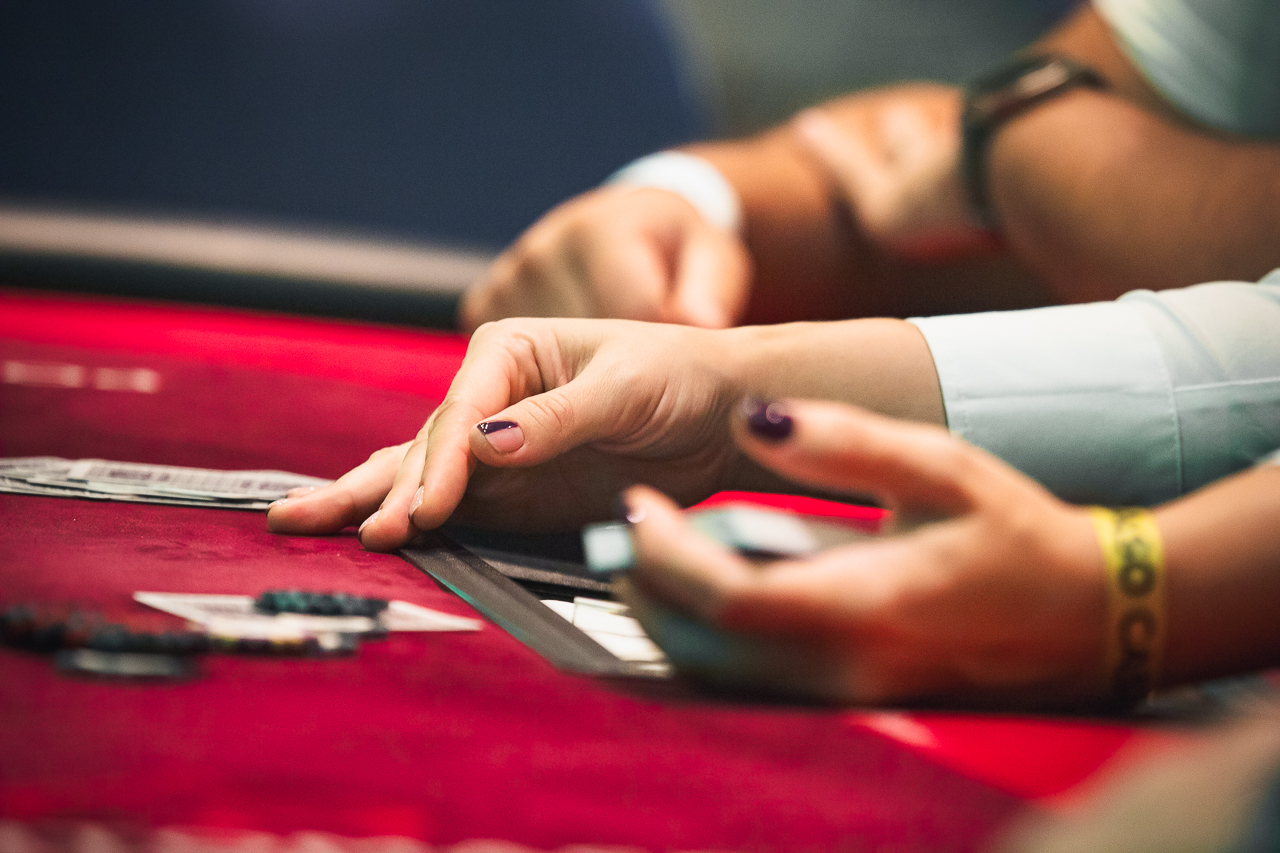
What Long Tournament Days Reveal About Player Focus and Fatigue
Most modern poker tournaments are not short events. Twelve-hour days, late finishes, and packed schedules have become the norm. Most players feel it, even if they don’t always talk about it. Some try to stay sharp by taking quick mental breaks, checking their phones, or playing fast online games like Aviator.
You sit down sharp. You end the day drained. Somewhere in between, your focus can slip, and small mistakes can happen.
This article looks at what long tournament days actually do to players. Not a strategy. Not hype. Just how fatigue affects focus, decisions, and discipline over time.
Why Tournament Days Feel Longer Than Ever
Tournament days are longer for structural reasons, not to directly affect the players.
Large poker festivals now attract thousands of entries. To handle that volume, organizers use deeper structures and more levels per day. The World Series of Poker regularly schedules 10-12-hour Day 1 sessions that run late into the night.
Breaks exist, but they are short. A typical structure offers:
- A short break every two hours
- One longer dinner break
- Continuous mental demand between breaks
This matters because mental fatigue builds faster than people expect. Research from the American Psychological Association shows that sustained attention declines after prolonged cognitive effort, even when people feel “fine” at first.
Feeling worn down late in the day isn’t a personal flaw. Long tournament structures demand hours of focus with very little mental rest. Fatigue comes from the format, not from a lack of discipline or skill.
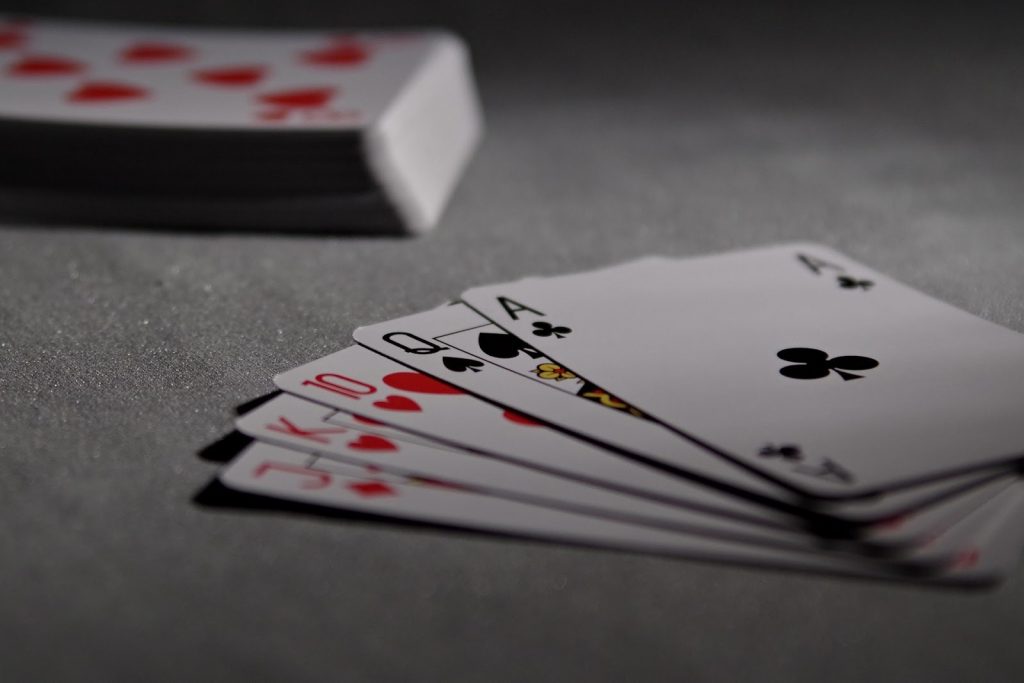
How Fatigue Changes Decision-Making
Fatigue doesn’t usually cause wild mistakes. It causes subtle ones.
Late in the day, players often show:
- Slower decision speed
- Missed details like stack sizes or bet sizing
- Poor timing in marginal spots
During the day, this often shows up as slower thinking and missed details. Stack sizes get misjudged. Bet sizing feels less precise. Marginal spots that were easy to fold earlier suddenly turn into calls.
The difference is easy to spot at the table. Early in the day, players take their time and stay patient. They think through hands and wait for good spots. Late in the day, shortcuts appear. Decisions come faster, but with less control.
The difference is clear at the table. Early in the day, players are patient. They think through lines. Late in the day, shortcuts appear.
Comparison:
| Early day | Late day |
| Careful folds, controlled aggression | Rushed calls, emotional reactions, forced plays |
Fatigue doesn’t change knowledge. It changes execution.
Focus Is a Skill, Not Just Energy
Strong players don’t rely solely on motivation. They manage focus like they manage bankrolls.
Focus is limited. Once it drops, results follow. That’s why experienced players build simple routines between levels instead of relying on willpower.
Common habits include:
- Standing up and moving during breaks
- Drinking water instead of less healthy options
- Mentally resetting before the next level
Even a short break can help. Standing up, stretching, or closing your eyes for a moment can make the next hand feel a bit sharper.
Staying present matters more than memorizing every spot. Focus keeps fundamentals intact when fatigue tries to erode them.
What Players Do During Breaks
Breaks are short, so players use them differently.
Some walk outside for fresh air. Others sit quietly and review hands. Some relax and disconnect for a few minutes.
During large poker festival events, you also see players checking their phones or playing quick games to take a mental break. This is observational, not instructional.
The contrast matters. Players who return mentally reset often perform better than those who stay.
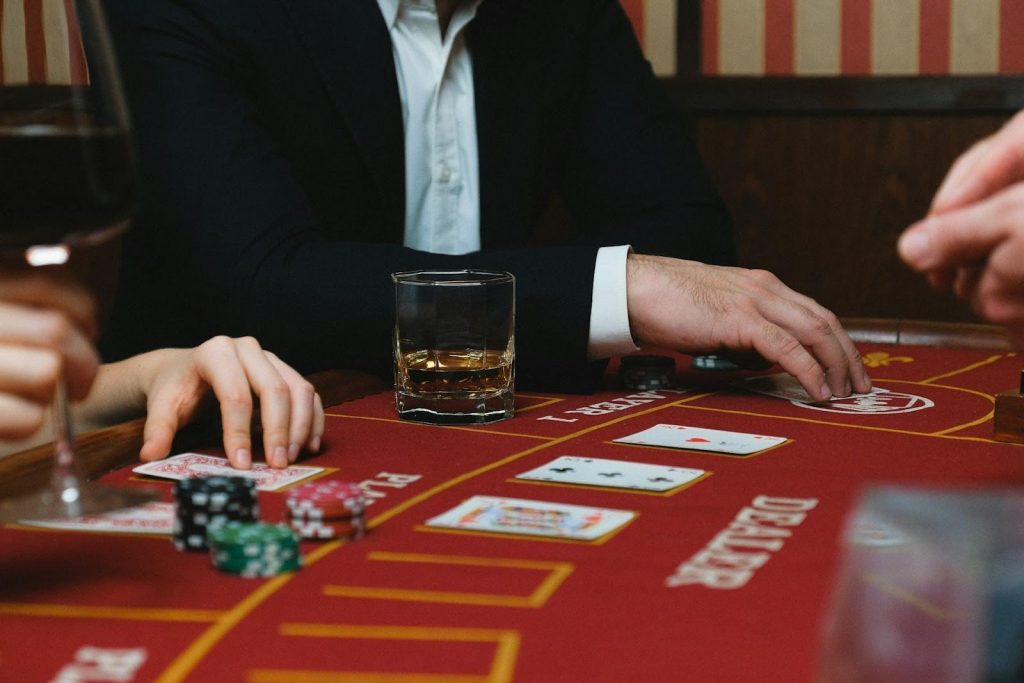
Lessons Poker Players Take From Long Sessions
- Focus beats volume
- Simplicity beats overthinking
- Awareness beats speed
These lessons repeat across formats and stakes. Long sessions make them obvious.
Why Preparation Matters More Than One Big Hand
This article showed how long tournament days affect focus and fatigue. These patterns are shared across players, not personal weaknesses.
Late-day mistakes decide outcomes more often than big early hands. They come from fatigue, not lack of skill.
Pay attention to when your focus drops. Track it. Prepare for it. Poker rewards players who last, not just those who start strong.